Transform Your Outdoor Space: Expert Landscaping Tips for a Stunning Home Garden
Reshaping an outdoor space into a stunning residential landscape demands strategic design and intentional action. By evaluating the unique characteristics of a property, homeowners can define specific landscaping goals. Selecting plants flourish in the local climate is vital. In addition, adding functional hardscape features improves both visual appeal and functionality. Nonetheless, the journey won't end there. Learning how to maintain environmental sustainability and vibrancy can elevate any landscape to new heights. Which strategies produce successful lasting results?
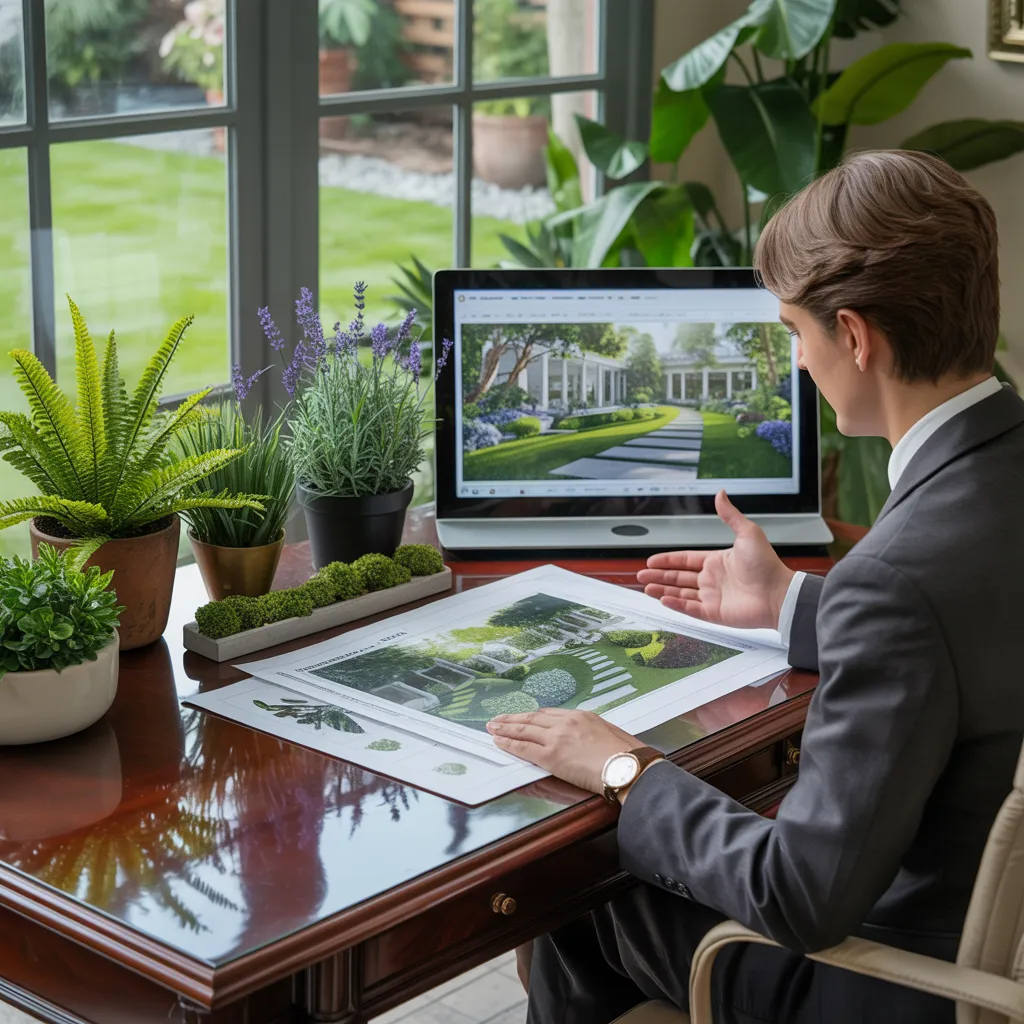
Assess Your Space to Define Your Landscaping Goals
Before commencing any landscaping project, it is essential for homeowners to thoroughly evaluate their exterior setting. This initial evaluation allows them to grasp the unique features of their property, including sun conditions, ground quality, and current plants. Recognizing these elements supports in determining which kinds of landscape features and design can be successfully integrated into the environment.
Homeowners should record dimensions and note any obstacles such as trees, barriers, or walkways that may influence the design. Additionally, understanding individual tastes and living requirements—including entertainment spaces, gardening, or relaxation—can guide the garden objectives. By specifically establishing these objectives, property owners establish a strong base for a unified and practical exterior space. This thoughtful assessment results in a greater and more rewarding landscaping project, ensuring that the outdoor space not only enhances the property's appearance but additionally satisfies the functional requirements of its residents.
Determine the Perfect Plant Selection for Your Local Environment
Determining the right plants for a particular region is critical for establishing a thriving outdoor space. Grasping local weather patterns, such as temperature ranges, precipitation, and moisture levels, supports homeowners select plants that will flourish. Native plants typically adjust best, requiring less maintenance and water. For instance, drought-resistant varieties are perfect for arid regions, while moisture-loving species flourish in humid climates.
Gardeners should additionally consider seasonal changes; selecting vegetation that offers continuous appeal improves the landscape. Early bloomers, warm-season vegetation, and colorful autumn leaves can create a dynamic visual experience. Additionally, speaking with neighborhood nurseries or agricultural resources can provide helpful information into hardy plant varieties adapted for particular regions.
In the long run, a well-planned plant selection enhances not only visual appeal but additionally promotes local wildlife and supports environmental sustainability, making it a wise choice for any exterior area renovation.
Improve Your Garden Using Functional Hardscaping Features
Functional hardscaping elements play an crucial role in shaping exterior areas and enhancing their usability. By adding seating zones and well-designed pathways, homeowners can create welcoming spaces that encourage relaxation and movement. Additionally, edging can separate different zones within the garden, adding structure and visual interest. components in structuring exterior environments and boosting their practical value. By incorporating seating areas and well-designed pathways, homeowners can create inviting environments that encourage relaxation and movement. Additionally, borders can help delineate different zones within the garden, adding structure and visual interest.
Establish Your Garden Setting
Creating a strategically planned outdoor space can renovate a yard into an pleasant sanctuary. One reliable technique to achieve this is through functional hardscaping elements, which establish structure and arrangement. Pathways made from brick or stone guide guests while boosting visual appeal. Retaining barriers can create terraced heights, enhancing the garden's overall design and stopping soil loss. Barriers or screens can mark borders, providing privacy and a feeling of privacy. Adding elevated planting zones not only establishes growing zones but also improves user accessibility. These elements work together to form separate areas that improve both visual appeal and practical use. Ultimately, a clearly structured outdoor space fosters a serene environment where homeowners can relax and enjoy nature.
Incorporate Seating Areas
Incorporating sitting zones into an exterior environment greatly improves its functionality and attractiveness. By adding practical hardscape features, homeowners can create inviting spots for rest, gathering, or appreciating the outdoors. Choices range from benches, outdoor furniture, or hanging seats, each adding to the landscape's visual appeal and comfort. Strategically placing seating near key areas like garden displays or fountains, prompts visitors to interact with their surroundings. Additionally, selecting materials such as wood or stone can match the landscape's style, ensuring a cohesive look. Shade structures, such as pergolas or umbrellas, provide comfort during hot seasons, making these areas usable year-round. Ultimately, well-designed seating areas convert a standard yard into a pleasant sanctuary for family and friends.
Add Walkways And Borders
Pathways and borders are key components in garden design, directing guests through your garden while enriching its structural integrity. These establish order and movement, facilitating the identification of different regions and botanical choices. Stone, gravel, or brick materials can create solid routes, whereas natural borders from vegetation or ornamental fencing boost visual appeal. Pathways can facilitate investigation, drawing notice to highlights such as planting zones or water elements. Well-designed borders stop weed growth and ground deterioration, promoting garden health. In summary, adding pathways and borders boosts utility and adds visual sophistication to your garden setting, making spaces more attractive and rewarding.
Create Movement With Walkways and Sitting Spaces
A well-planned garden setting typically includes a balanced circulation established through deliberately situated walkways and rest zones. Walkways direct guests across the garden, providing a definite sense of orientation while enriching the general visual quality. Selecting options such as wood, stone, or gravel can add to the walkway's aesthetic value and ensure longevity.
Rest zones offer resting spots, encouraging visitors to stop and enjoy the environment. Placing seating deliberately near highlights, like a water feature or a planted area, promotes engagement with the outdoor setting. Your seating selection—chairs, benches, or even swings—will affect the mood, whether formal or relaxed.
Incorporating both pathways and seating fosters an inviting environment, enhancing usability and enjoyment. Together, they create a seamless shift between different areas of the garden, promoting exploration and relaxation, ultimately transforming any outdoor space into a tranquil retreat.
Enrich Your Outdoor Space With Seasonal Shades and Character
To enhance the visual appeal of a garden, careful selection of seasonal plants is essential. Layering different textures can add depth and interest, while strategically placed focal points can draw the eye and create a cohesive design. These elements together guarantee a vibrant and dynamic outdoor space throughout the year.
Select Plants for Each Season with Consideration
Selecting seasonal plants thoughtfully can transform any garden into a vibrant tapestry of color and texture. By opting for plants with varied blooming seasons, gardeners can ensure a perpetual floral display. Spring flowers, summer annuals, autumn perennials, and winter evergreens each contribute unique hues and forms to the landscape. It is crucial to factor in local climate conditions and soil types, as well as the plants' development requirements. Local native plants often thrive better and require less maintenance, enhancing biodiversity. Additionally, combining plants with varying heights and bloom times can create a dynamic visual effect. Ultimately, thoughtful selection fosters a garden that evolves with the seasons, offering a delightful experience year-round.
Establish Textured Layers To Generate Dimensional Appeal
Building garden depth requires combining textures that accent and improve seasonal shades. By integrating diverse plant species with different leaf patterns, heights, and color schemes, one can create a vibrant landscape design. For instance, the use of broad-leaved plants alongside fine-textured grasses can generate visual contrast and fascination. Additionally, including natural wood, pebbles, and organic components brings in tactile elements that enhance the complete garden experience. Flowering displays should be thoughtfully placed to provide bursts of color throughout the year, ensuring that each layer remains visually interesting. This thoughtful arrangement not only moves your gaze throughout the space but also develops an absorbing environment where every detail contributes to the garden's beauty and harmony.
Use Design Anchors With Intent
Deliberately placing visual focal elements can greatly improve a garden's visual charm and seasonal energy. These key visual elements act as visual magnets that focus attention and establish harmony. Gardeners can employ features like art pieces, specimen trees, or brilliant plantings to establish visual interest. Seasonal color can be integrated through the careful selection of plants that bloom at different times ensuring that the garden remains dynamic throughout the year. Textures also prove essential; combining smooth stone paths with rough bark or lush foliage adds depth. By thoughtfully placing these elements, a gardener can create an inviting atmosphere that encourages exploration and appreciation, turning a garden into an enticing escape.
Utilize Sustainable Methods for Ensuring a Thriving Garden
Embracing environmentally-conscious approaches is vital for nurturing a vibrant garden that thrives in harmony with the environment. Growing enthusiasts are recommended to utilize native plants, which demand lower water and attention while supporting regional wildlife. Using chemical-free approaches, such as nutrient enrichment and organic pest solutions, can significantly minimize synthetic chemicals, promoting a stronger biological community
Water-efficient approaches, such as precision irrigation and collecting rainwater, further enhance eco-friendliness by improving resource efficiency. Using mulch layers not just maintains hydration additionally prevents weeds, decreasing the necessity for synthetic herbicides. Furthermore, promoting ecological diversity by integrating a variety of plants fosters resilience against pests and diseases.
Healthy soil is critical; methods like crop cycling and soil-covering plants preserve soil nutrients minus chemical fertilizers. Through adopting these green practices, horticulturists can establish a vibrant area that fosters vegetation ecological balance, creating an enhanced growing experience.
Troubleshoot Typical Issues for Throughout-the-Year Landscape Beauty
A properly-cared-for outdoor space can confront various see the facts challenges during all seasons, impacting its combined visual appeal along with health. Typical problems include insect problems, nutrient deficiencies, and inadequate water supply. Recognizing pests early is essential; horticulturists should frequently inspect leaves for injury marks as well as manage infestations using organic solutions or else bringing in helpful insects.
Lacking minerals often appear as discolored leaves as well as stunted growth. Doing soil examinations can assist pin down individual demands, making possible for strategic fertilization Lacking minerals frequently display as yellowing leaves along with stunted growth. Conducting soil tests can help identify individual demands, making possible focused nutrient application bringing back stability. Furthermore, securing proper irrigation is vital; over-irrigation can result in rotted roots, whereas under-irrigation stresses plant life.
Changes in seasons additionally require modifications to plant care. In winter, applying mulch shields plant roots against freezing temperatures, whereas summer months can necessitate additional water as well as shade protection to protect tender plants. By tackling such common issues promptly
Should I Undertake Landscaping on My Own or Engage a Landscaper?
You can definitely handle garden work solo, leveraging digital tools and personal innovation. Yet, engaging an expert delivers knowledge, effectiveness, and enhanced results, particularly for complicated projects or extensive work that need professional expertise.
What Items Do You Require for Home Landscaping?
Necessary tools for yard landscaping feature a rake, digging tool, shovel, pruning scissors, garden fork, and a garden hose or water can. These implements assist in efficiently managing earth, garden plants, and comprehensive garden care, guaranteeing successful landscaping.
What's the Optimal Way to Preserve My Garden Area During the Seasons?
If you want to preserve a yard throughout the year, consistently shaping plants is necessary, spreading garden mulch for insulation is essential, checking moisture levels is vital, and using seasonal planting plans is recommended. Additionally, pest management and nutrient application are essential for flourishing, vibrant plants.